Discovering the Midst of Indian Cuisine: Revealing the Secrets of Famous Indian Food
Indian food is a complicated tapestry woven from centuries of background and local variety. Each recipe, from the aromatic biryanis of the North to the spicy fish and shellfish of the South, reflects agricultural techniques and local customs. The use of flavors like coriander and mustard seeds produces layers of flavor that are both special and fascinating. Understanding these aspects invites a much deeper admiration of the cookery kind, disclosing secrets that go past simple nourishment. What lies under the surface of these legendary recipes?
The Rich History of Indian Food
Although lots of people associate Indian food with its dynamic flavors and diverse flavors, its history is deeply rooted in the subcontinent's social development. The cooking practices of India go back hundreds of years, influenced by various civilizations such as the Indus Valley, Maurya, and Gupta empires (indian food). Ancient texts, including the Vedas and Ayurvedic bibles, highlight the importance of food in medicinal and religious practices
Trade routes assisted in the exchange of ingredients and methods, introducing things like rice, flavors, and lentils. The arrival of international leaders, such as the Mughals, additionally enhanced the food, including Persian and Main Oriental aspects. Regional variants emerged, showing social practices and neighborhood resources, bring about the advancement of distinct cooking styles. On the whole, the background of Indian food is a tapestry woven from cultural exchanges, local adjustments, and substantial historic occasions, making it a reflection of the subcontinent's varied heritage.
Iconic Dishes From North India

Abundant Flavors and Flavors
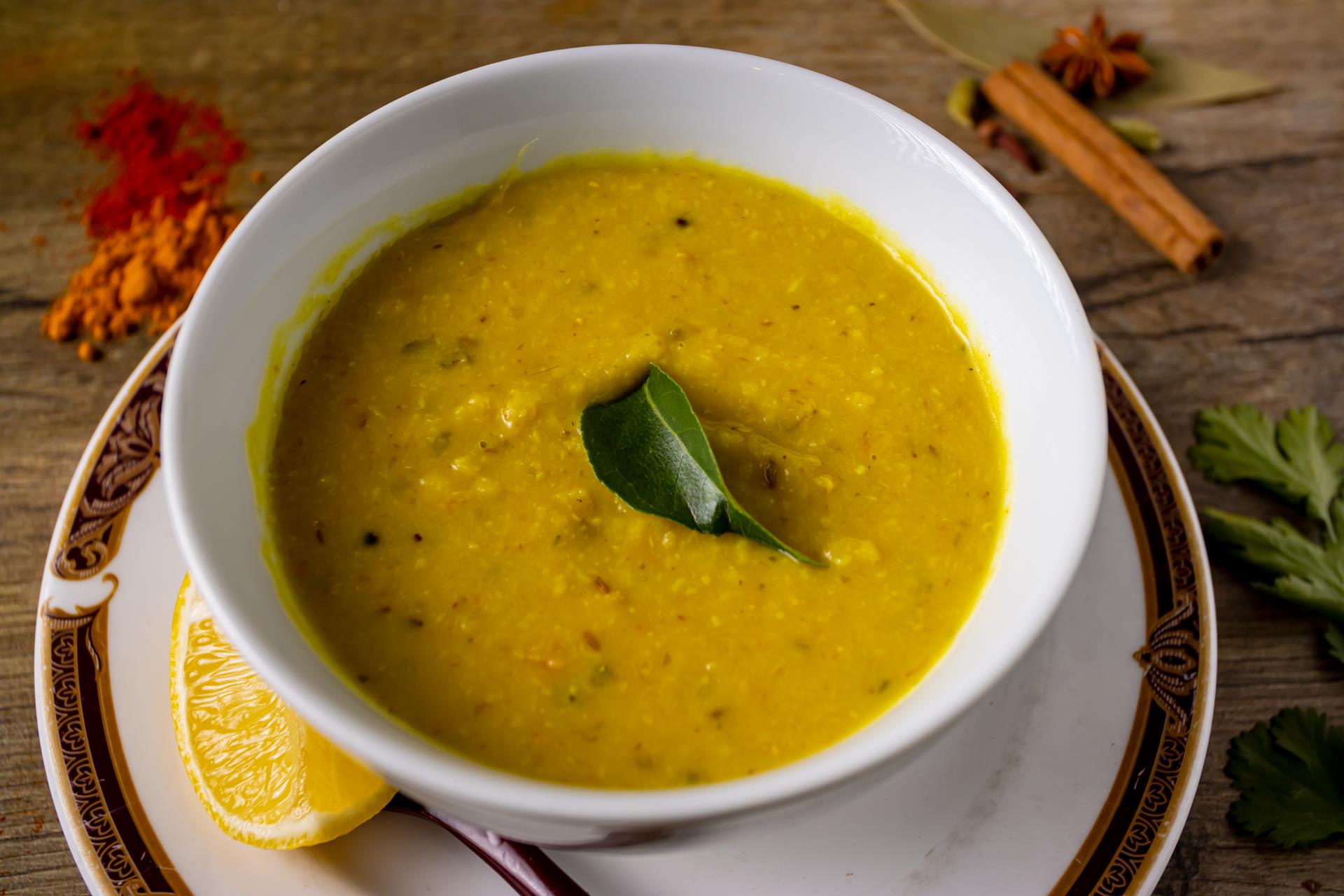
As one checks out the cooking landscape of India, the rich tastes and seasonings that identify legendary meals from the north area attract attention prominently. North Indian cuisine is renowned for its vibrant use seasonings such as coriander, cumin, and garam masala, which produce deepness and intricacy in tastes. Meals like butter hen, abundant with luscious tomato sauce and aromatic spices, exhibit this richness. Similarly, biryani, a great smelling rice meal layered with marinaded meats and saffron, showcases the art of seasoning layering. Additionally, dals, lentil-based meals, are boosted with solidifying strategies that launch essential oils, even more enriching their taste. In general, the north area's culinary heritage relies greatly on a harmony of tastes, making each meal a distinct gastronomic experience.
Regional Variations and Influences
The diversity of North Indian cuisine reflects a tapestry of cultural impacts and local variations. Each state provides legendary dishes that display regional ingredients and traditions. For instance, Punjabi food is renowned for its rich, buttery meals like Butter Chicken and Sarson da Saag, while the Awadhi design from Uttar Pradesh stresses slow-cooked biryanis and kebabs. In the mountainous regions, meals like Rajma (kidney beans) from Himachal Pradesh highlight making use of simple, wholesome active ingredients. The impact of Mughal culinary traditions appears in dishes like Biryani and Nihari, which include fragrant flavors and food preparation strategies. This local kaleidoscope shows just how location, background, and society converge to produce a lively North Indian cooking landscape.
Flavors of South India: A Culinary Trip
While checking out Indian cuisine, one can not neglect the vivid and varied tastes of South India, where each dish tells a story of practice and social heritage. This region, encompassing states like Tamil Nadu, Kerala, Karnataka, and Andhra Pradesh, supplies a rich tapestry of culinary delights. Popular staples include dosa, a fermented rice and lentil crepe, and idli, a soft steamed rice cake, commonly accompanied by coconut chutney and sambar, a spicy lentil soup. Making use of rice as a primary grain mirrors the agricultural bounty of the land. Furthermore, South Indian cuisine is understood for its distinct mix of advice vegan and seafood recipes, influenced by seaside location. The intricate preparation methods and local specialties, such as Kerala's fish curry and Andhra's spicy biryani, highlight the location's cooking diversity. Each dish is not merely food yet an experience, deeply rooted in the social practices and festivals of the South.
The Seasoning Combination: Secret Ingredients in Indian Cooking
Recognizing Indian food preparation calls for an appreciation of its elaborate spice scheme, which serves as the structure for its unique tastes. Central to this combination are spices such as cumin, turmeric, coriander, and cardamom, each contributing one-of-a-kind scents and tastes. Cumin, with its earthy notes, is commonly used in both entire and ground forms, while coriander seeds offer a citrusy touch. Turmeric, recognized for its vivid yellow shade, presents heat and is famed for its health advantages. Cardamom, recognized for its sweet and hot scent, is important in both mouthwatering recipes and desserts. Various other vital ingredients include mustard seeds, fenugreek, and chili peppers, which introduce varying levels of warm and intricacy. The unified blend of these flavors, commonly complemented by fresh natural herbs like cilantro and mint, produces the abundant tapestry of flavors that characterize Indian cuisine, boosting it to a culinary art form cherished worldwide.
Regional Variations: A Taste of India's Variety
India's culinary landscape shows a remarkable mix of regional variety, formed by location, climate, and cultural visit this web-site influences. Each state boasts its very own unique flavors and ingredients, leading to a rich tapestry of recipes. In the north, hearty curries and bread such as naan control, while the south displays rice-based dishes and spicy sambars. The west is known for its vibrant use jaggery and fish and shellfish, especially in seaside areas like Goa.
In contrast, the eastern offers a variety of wonderful delicacies and fish recipes, affected by the fertile shores of Bengal. go to this website The different climate across India adds to the local agricultural methods, shaping the schedule of specific spices and veggies. Furthermore, historic trade paths and migrations have actually infused local cuisines with distinct aspects, creating a detailed mosaic of culinary traditions - Mango lassi. This local diversity not only mirrors regional identities yet additionally improves the total experience of Indian food
The Art of Indian Food Preparation: Traditions and methods
Cooking in Indian food is not simply a job but an intricate art type that incorporates practice, strategy, and a deep recognition for tastes. Central to this cooking method are numerous methods such as tempering, sautéing, and sluggish cooking, each enhancing the meal's intricacy. Flavors play a crucial function, with their careful option and exact application changing basic components into vibrant meals.
Practices vary commonly across areas, showing regional customs and components. As an example, the use of a tandoor for breads and meats in northern India contrasts with the coconut-based curries of the south. Furthermore, the relevance of communal food preparation and indulging highlights the cultural relevance of food in Indian culture.
Essentially, Indian food preparation is a party of heritage and innovation, where every meal narrates, welcoming both the diner and the cook to take part in a rich tapestry of tastes and practices.
Regularly Asked Questions
What Are the Wellness Perks of Indian Spices?
Indian spices offer many health benefits, consisting of anti-inflammatory homes, boosted digestion, improved metabolic rate, and antioxidant effects. Usual seasonings like cumin, ginger, and turmeric add to general health, sustaining immune function and potentially minimizing disease threat.
Exactly How Does Indian Cuisine Accommodate Dietary Restrictions?
Indian cuisine adeptly accommodates dietary restrictions by supplying a diverse variety of vegetarian, vegan, and gluten-free options. This adaptability allows individuals with different dietary requirements to appreciate tasty dishes that respect their health and way of life choices.
Can Indian Food Be Prepared Rapidly?
Yes, Indian food can be prepared rapidly. Many dishes use easy active ingredients and reliable food preparation methods, making it possible for delicious meals to be made in under an hour, making it easily accessible for those with time constraints.
What Are Typical Misconceptions Concerning Indian Food?
Common misconceptions concerning Indian food include the belief that it is always exceptionally zesty, that it solely is composed of curries, which it lacks vegetarian options. In fact, Indian food varies, delicious, and offers many variants.
Exactly How Can I Locate Authentic Indian Recipes?
To locate genuine Indian recipes, one must discover local cookbooks, reputable cooking websites, and typical family members resources. Engaging with local Indian neighborhoods and attending cooking classes can likewise offer important understandings right into genuine dishes and techniques.